
All About Tattoo Machine
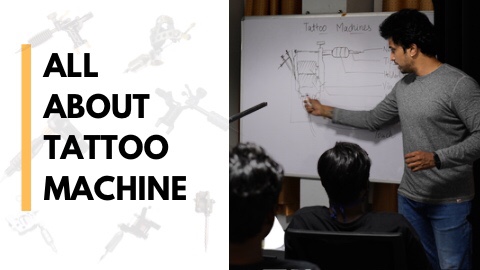
Tattoo machines, also known as tattoo guns, are essential tools used by tattoo artists to create designs on the skin by inserting ink into the dermis layer. Here’s a breakdown of the key components and workings of a tattoo machine:
Components:
Frame: The main body of the tattoo machine, often made of steel or aluminum. It holds all the components together.
Coils: Electromagnetic coils, usually made of copper wire, create the machine’s power. They are responsible for the up-and-down motion of the tattoo needle.
Armature Bar: Connected to the coils, the armature bar moves up and down, causing the needle to move in and out of the skin.
Springs: Control the flexibility and movement of the armature bar.
Needle Bar: Holds the tattoo needles in place.
Tube and Grip: The tube holds the needle and is connected to the grip, which the artist holds during the tattooing process.
How it Works:
Power Source: Tattoo machines are powered by an electrical source, usually a power supply unit that controls the speed and power of the machine.
Electromagnetic Mechanism: When the machine is turned on, electricity flows through the coils, creating an electromagnetic field. This field pulls the armature bar down.
Up-and-Down Motion: As the armature bar is pulled down, it compresses the springs, causing the needle attached to the needle bar to move down into the skin. When the electromagnetic field is broken (typically by a spring pushing the armature bar back up), the needle retreats.
Types of Tattoo Machines:
Coil Machines: These are the traditional tattoo machines that use electromagnetic coils to move the needle.
Rotary Machines: Use a rotating motor to drive the needle instead of electromagnetic coils. They are known for being quieter and causing less trauma to the skin.
Pneumatic Machines: Powered by compressed air and function similarly to rotary machines.
Tattoo machines require regular maintenance and sterilization to ensure they function properly and prevent contamination between clients.
Understanding the machine’s mechanics and how it interacts with different skin types and inks is crucial for a tattoo artist’s success.